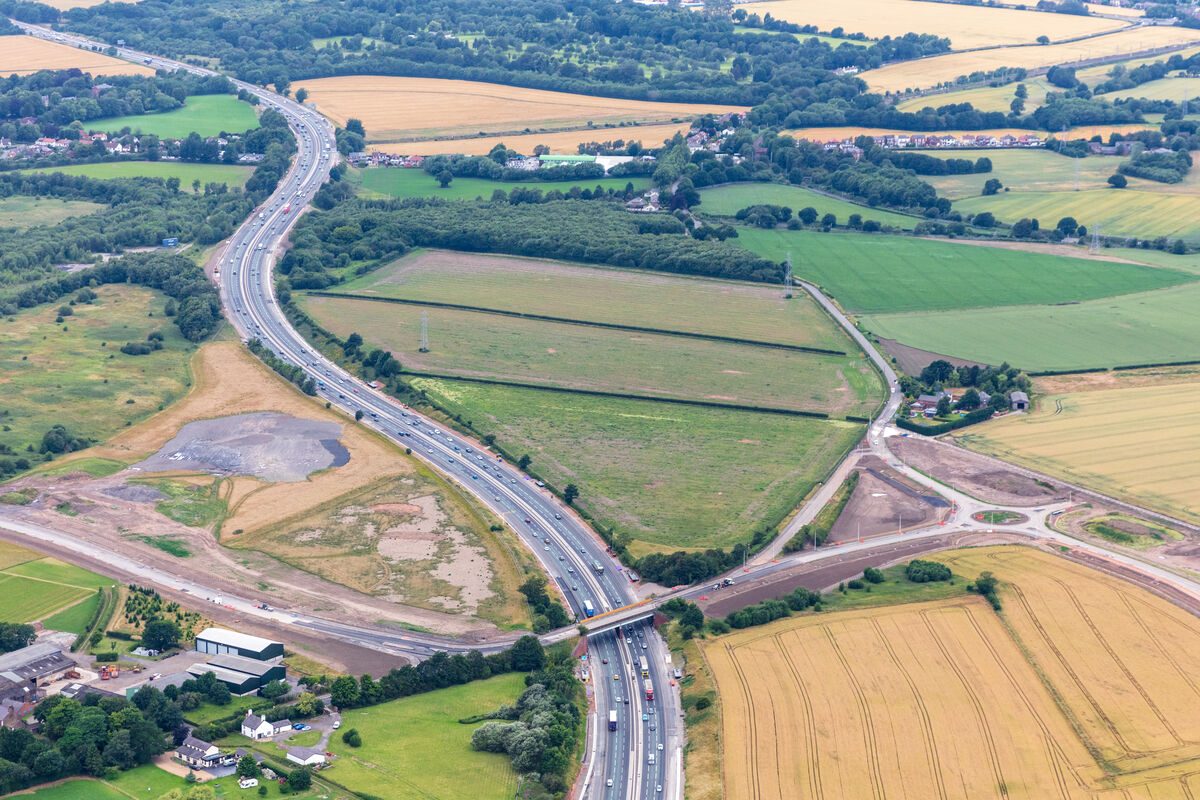
Galvanize Real Estate Expands to Boston With Acquisition of Three-Property Industrial Portfolio

BOSTON — Galvanize Real Estate Real Estate has acquired a three-property industrial portfolio in the greater Boston area, the firm announced July 9, 2026, extending its existing presence across the Northeast, Mid-Atlantic, and Midwest.
Financial terms of the transaction were not disclosed.
Portfolio Details and Location
The portfolio comprises three industrial properties in the Boston area. Specific property names, street addresses, individual building sizes, total square footage, year of construction, occupancy rates, and per-square-foot pricing were not disclosed in connection with the transaction.
Galvanize Real Estate's Expanding Industrial Footprint
The Boston acquisition builds on Galvanize Real Estate's existing portfolio across the Northeast, Mid-Atlantic, and Midwest, as noted in the firm's announcement. No further details regarding prior acquisitions, total portfolio size, or other specific transactions were provided in the source material.
Climate and Infrastructure Investment Thesis
Galvanize describes itself as a global asset manager investing at the intersection of energy innovation, resilience, and intelligence, deploying capital across seed, venture, growth, public equities, credit, and real estate strategies.
In its June 2026 newsletter, Galvanize highlighted themes of industrial reinvestment, artificial intelligence, and electrification as accelerating a new capital cycle, identifying real estate as one of the asset classes central to that shift. The firm has also published content on rooftop solar, battery storage, and distributed energy systems as tools for reshaping building economics and creating value in real estate assets.
Sources
More Property Transactions
Bridge Logistics Properties Acquires 744,512 SF Across Fremont and Stockton in Dual Northern California Industrial Play
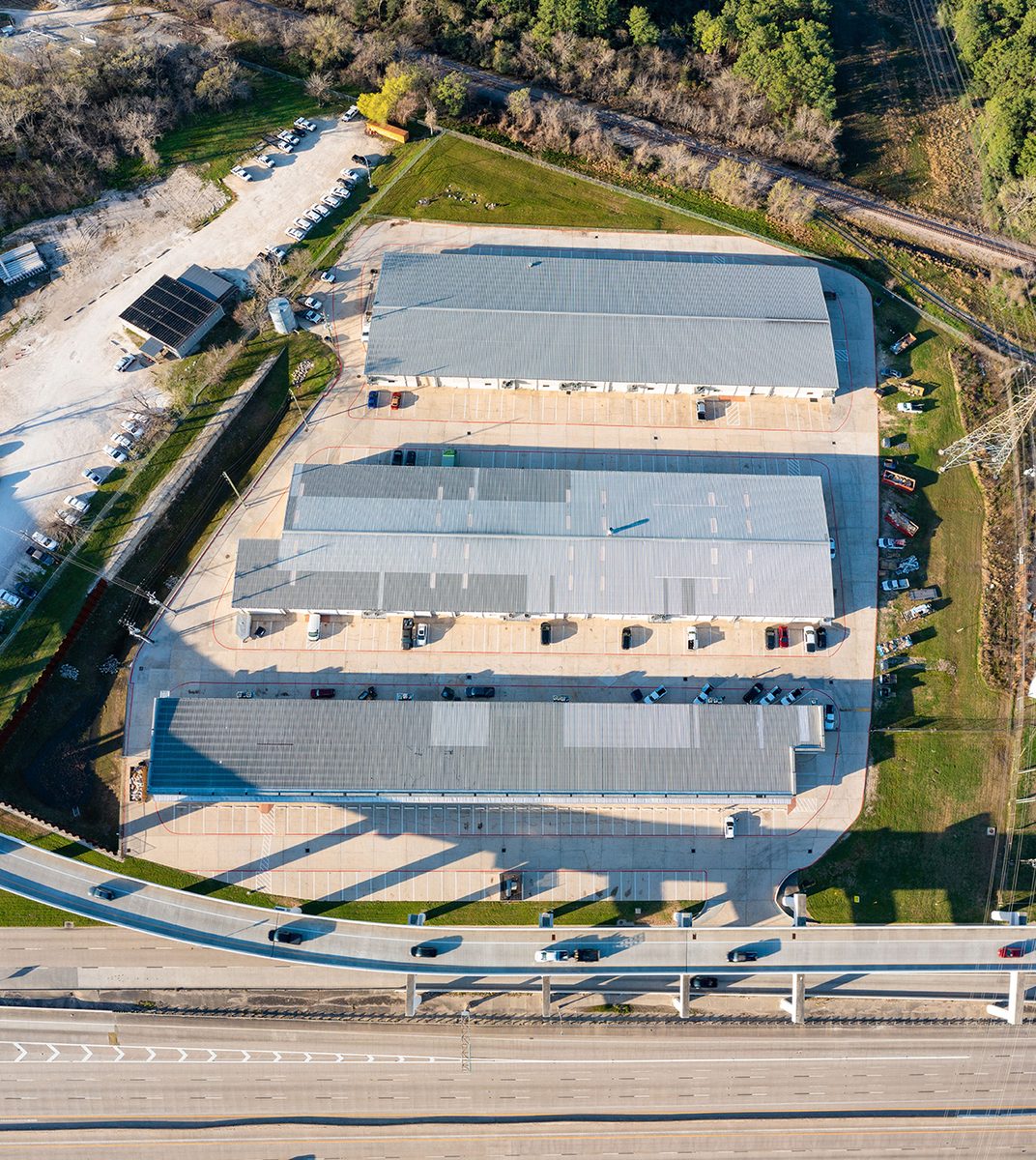
Rycore Capital Sells 101,584-Square-Foot Flex Industrial Property in Houston at 61% Premium
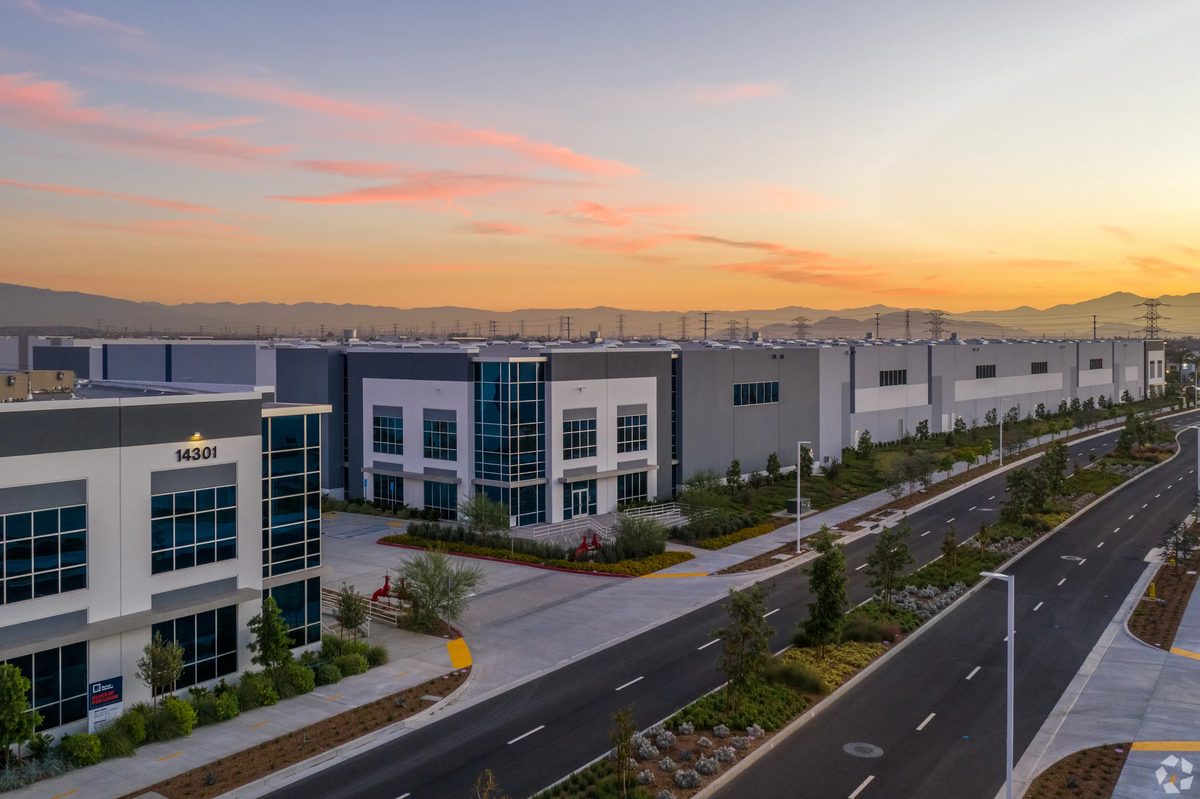
EQT Real Estate Acquires 5.2 Million-Square-Foot Southern California Logistics Portfolio from Rexford Industrial for $1.2 Billion