SAB Capital: Coastal Tax Pressure Drives 1031 Exchange Capital Into Florida Necessity Retail Real Estate
A structural shift in commercial real estate capital flows is underway, according to a market commentary published by SAB Capital, with high-net-worth investors increasingly using Section 1031 exchanges to exit appreciated coastal properties and redeploy proceeds into Florida necessity retail real estate.
The commentary, published April 28, 2026, argues that escalating tax pressure in states such as New York — combined with regulatory clarity provided by the One Big Beautiful Bill Act (OBBBA) — has made geography itself a tax strategy for real estate investors.
New York Tax Environment at the Center of Capital Migration
According to SAB Capital, New York State and New York City together impose a combined top marginal income tax rate of approximately 14.8% on high earners in the five boroughs, comprising a 10.9% state rate and a city rate of up to 3.876%. The firm noted that proposed legislation from Mayor Zohran Mamdani would add a 2% surcharge on incomes above $1 million, raising the combined city-and-state top rate to 16.776%.
A separate measure would raise the top NYC income tax rate by 51%, according to the commentary. In 2025, a bill co-sponsored by 24 state senators and 27 assembly members proposed more than doubling the state's top income tax rate, with new brackets beginning at $500,000 in income.
SAB Capital cited IRS migration data showing that New York lost $9.9 billion in net adjusted gross income in a single year to interstate migration, while Florida gained $20.6 billion in net AGI during the same period. Over the decade from 2011 to 2021, New York lost $111 billion in net AGI — the highest net outflow in the country — while Florida absorbed $196 billion in incoming wealth, according to data cited from the National Taxpayers Union Foundation and the IRS.
The firm also cited New York Department of Taxation and Finance data indicating that more than 5,000 New York millionaires changed their state address since 2020.
1031 Exchange Mechanics and the OBBBA
SAB Capital's commentary highlighted Section 1031 of the tax code as the primary instrument enabling this capital migration within retail real estate. Under Section 1031, a real estate investor who sells an investment property may defer federal — and most state — capital gains taxes by reinvesting the proceeds into a like-kind replacement property.
Key rules governing the exchange include a 45-day window to identify a replacement property following the sale closing and a 180-day deadline to complete the exchange. A Qualified Intermediary must hold the proceeds during the exchange period. The replacement property must be of equal or greater value to fully defer all gain.
The OBBBA, signed into law in July 2025, permanently preserved Section 1031 in its current form and reinstated 100% bonus depreciation on a permanent basis — a provision the firm described as a significant tax advantage for investors acquiring physical retail assets and reinvesting in property improvements.
SAB Capital also noted that in June 2025, New York's Division of Tax Appeals approved "drop-and-swap" transactions for 1031 purposes, providing partnerships additional flexibility to structure exchanges at closing and removing a compliance uncertainty that had previously deterred some partnership-held transactions.
The firm cited survey data indicating that 62% of rental property buyers surveyed in 2025 plan to use a 1031 exchange to defer taxes and maximize reinvestment.
Florida Necessity Retail as the Preferred Replacement Asset
For investors executing 1031 exchanges out of coastal markets, SAB Capital identified Florida necessity retail — specifically NNN-leased properties anchored by essential services tenants such as grocers, pharmacies, quick-service restaurants, auto services, dollar stores, and convenience stores — as the preferred replacement asset class.
The firm noted that Florida carries no state income tax, no estate tax, and imposes no capital gains tax at the state level. For a New York investor who successfully relocates their domicile alongside their investment, income from a Florida NNN property would not be subject to the combined 14.8% New York tax burden that would apply if the investor maintained New York residency.
SAB Capital pointed to Florida's continued population growth as a structural support for necessity retail demand. The state led the nation in net international migration in the twelve months through June 2025, gaining 178,674 new residents through that channel alone, according to the commentary.
The firm described the current NNN Florida market as offering above-average cap rates, investment-grade tenants, and long lease terms for investors completing $3 million to $10 million transactions.
Market Implications
SAB Capital framed the trend as a structural realignment rather than a temporary dislocation, driven by the widening gap between coastal tax burdens and Sun Belt alternatives. The firm stated that New York-based investors represent the single largest source of inbound capital into Southeast real estate markets.
The commentary noted that from fiscal 2010 through fiscal 2025, New York's personal income tax revenues grew by nearly $43 billion, while all other tax categories combined grew by just $13.6 billion — a fiscal concentration the firm described as a bet on the willingness of a small number of highly mobile individuals to remain in the state indefinitely.
SAB Capital's 1031 desk advises investors on tax-advantaged exchange transactions. The firm did not disclose specific transaction volumes or client figures in the commentary.
More Market Commentary
Portugal Commercial Real Estate Investment Hits €930M in Q1 2026, Retail and Hospitality Lead Surge
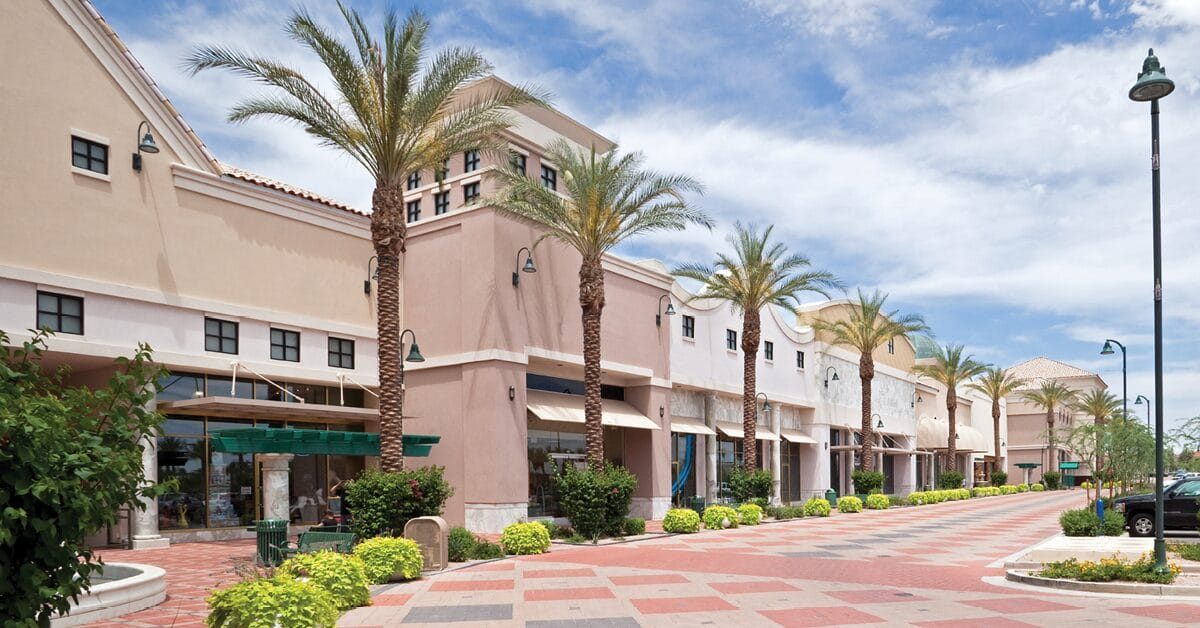
Retail Real Estate Leads CRE Asset Classes in 2026 Despite Tariffs and Iran War, CoStar Data Shows