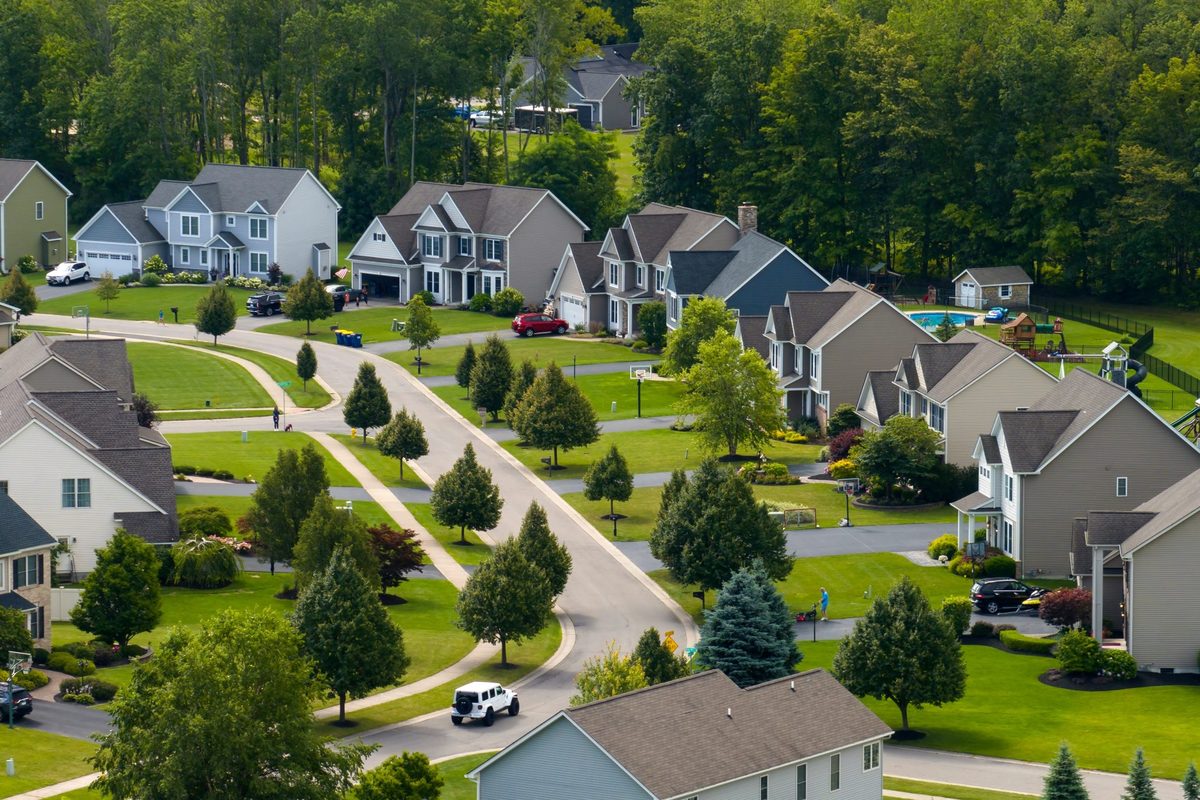
Blackstone Highlights Rental Housing, Industrial Real Estate and Data Centers as Hard-Asset Recovery Takes Shape
NEW YORK — June 11, 2026 — Blackstone published a market commentary this week identifying data centers, industrial real estate and rental housing — including multifamily and student housing — as sectors positioned to benefit from both structural economic shifts and a cyclical recovery in commercial real estate. The firm argues that their relevance is being amplified by changes in how the economy operates, pointing to AI adoption, rising data consumption, e-commerce expansion and supply chain reconfiguration as key drivers reshaping real estate investment demand.
Hard-Asset Recovery Gains Momentum Across Select Sectors
In its commentary, titled "Hard Assets in a Changing World," Blackstone described a real estate environment in which a prolonged period of constrained capital and limited new construction has improved supply-demand dynamics across select sectors. The firm characterized this as a cyclical recovery layered on top of longer-term structural trends, creating what it described as attractive opportunities — largely in private markets.
The U.S. commercial real estate market is approximately $22 trillion in size, according to the commentary, with more than 90% of that market privately held. Blackstone noted that private real estate and infrastructure have historically exhibited low correlation to most public asset classes, a characteristic the firm said can help strengthen portfolio resilience for investors seeking diversification.
The commentary also cited data showing that institutional investors' plans to increase real estate allocations in 2026 are at a six-year high, a signal the firm attributed in part to rising volatility in traditional stock-and-bond portfolios. Since 2022, according to Blackstone, volatility in 60/40 portfolios has risen meaningfully compared to the prior decade.
Industrial Real Estate and Rental Housing Among Conviction Themes
Blackstone outlined six conviction themes spanning both real estate and infrastructure. On the real estate side, the firm highlighted three sectors: data centers, covering new development and stabilized assets; industrial real estate, encompassing logistics and manufacturing; and rental housing, which includes multifamily and student housing.
The firm described real estate broadly as reflecting "where demand materializes across the economy," with growth concentrated in sectors linked to data centers, logistics and manufacturing. Housing segments, the commentary noted, are more influenced by demographic trends rather than structural disruption — distinguishing them from the technology- and trade-driven tailwinds affecting industrial real estate and data infrastructure.
Industrial real estate sits at the intersection of e-commerce, supply chain reconfiguration and a global push toward domestic manufacturing capacity — trends Blackstone said are increasingly shaped by a broader emphasis on resilience and domestic capacity across energy systems, supply chains and critical infrastructure.
Limited New Construction Cited as Supporting Supply Dynamics
A central argument in the Blackstone commentary is that limited new construction activity over recent years has set the stage for improved fundamentals. The firm did not specify individual markets or quantify supply constraints by sector, but characterized the dynamic as broadly supportive of select real estate opportunities, particularly in private markets where the firm said the majority of commercial real estate value resides.
Blackstone also addressed the infrastructure opportunity alongside real estate, noting that an estimated $106 trillion of global investment is required through 2040 to support rising demand for data, power and transportation — a figure the firm said far exceeds the current base of private infrastructure assets. On the infrastructure side, the firm's conviction themes included digital assets such as data centers, cell towers and fiber; energy generation, transmission and grid assets; and transportation infrastructure including ports, rail, roads, airports and marinas.
Manager Selection Cited as Critical in Private Markets
Blackstone emphasized that in private markets, outcomes are highly dependent on manager selection. The firm noted that performance dispersion between top- and bottom-quartile managers has historically been significantly wider in private markets than in public markets, placing a premium on what it described as thematic conviction, scale and execution.
The commentary concluded that Blackstone views the current environment as presenting a compelling opportunity across real estate and infrastructure markets, as infrastructure demand continues to expand and real estate fundamentals improve. The firm stated it has invested in private real estate and infrastructure for decades, deploying capital across market cycles.
The commentary included standard disclosures noting that it does not constitute an offer to sell securities, that past performance does not predict future returns, and that the views expressed reflect those of the authors as of the publication date and are subject to change.
More Market Commentary
Sixth Street Hires Donatella Fanti From Blackstone as Managing Director for Asset Management

Mark Myers Reflects on One Year Leading Kiser Group's Seniors Housing Practice