Saudi Downtown Launches 829,000-Square-Meter Al Khobar Downtown Waterfront Project

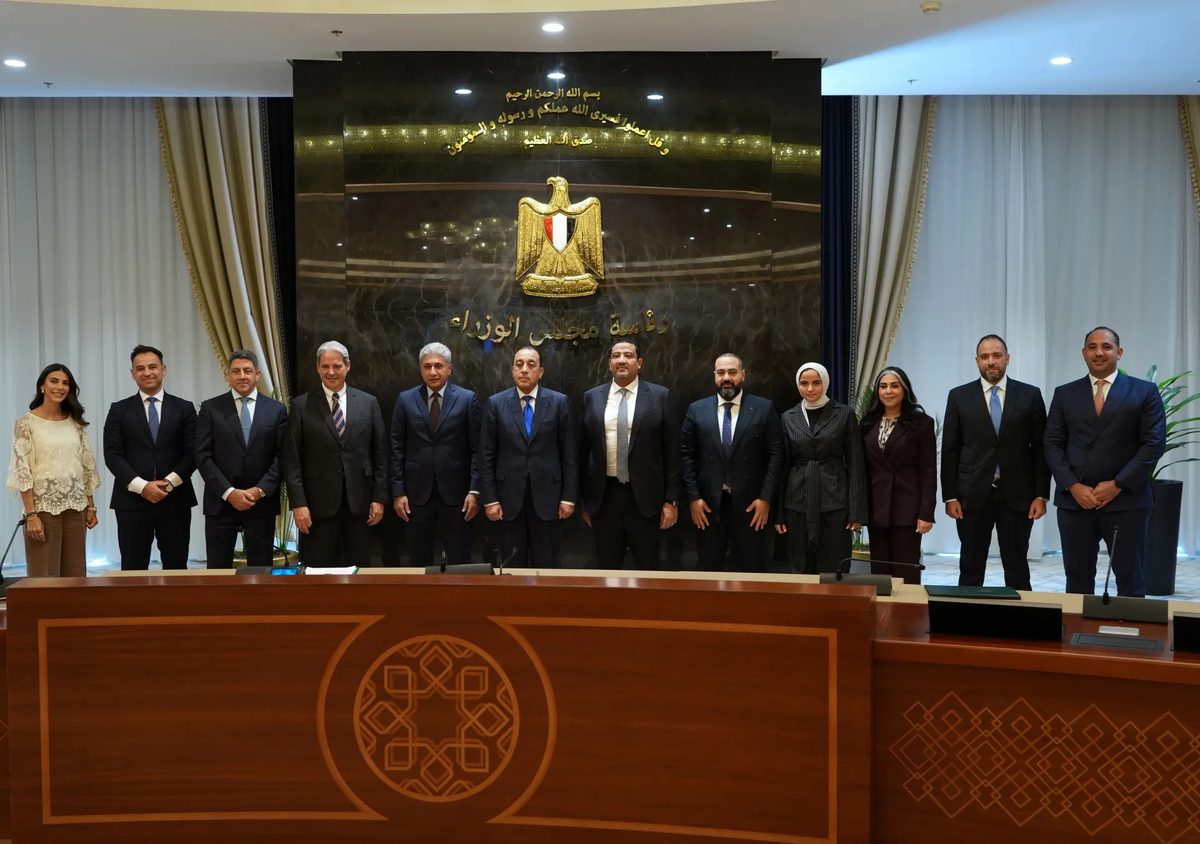
Saudi Downtown, a company owned by Saudi Arabia's Public Investment Fund (PIF), has launched a mixed-use residential and commercial development across more than 829,000 square meters on the waterfront of Al Khobar, in the country's Eastern Region. The announcement was dated Nov. 18, 2026.
The project, called Al Khobar Downtown, is intended to create an integrated urban destination on the city's waterfront. It was launched under the patronage of HRH Prince Saud bin Naif bin Abdulaziz, Governor of the Eastern Region.
Al Khobar Downtown: Project Components
The 829,000-square-meter site is equivalent to roughly 8.92 million square feet. Al Khobar Downtown will include:
- More than 4,000 residential units
- More than 500 hotel rooms
- More than 40,000 square meters of office space (about 430,556 square feet)
- More than 139,000 square meters dedicated to retail and food-and-beverage outlets (about 1.50 million square feet)
- More than 103,000 square meters of green space and public parks (about 1.11 million square feet)
The office, retail and food-and-beverage, and green space components together account for at least 282,000 square meters, or roughly 34% of the site area. That figure excludes residential buildings, hotel facilities, roads and other infrastructure and amenities, and it is unclear whether the component figures are gross or net areas.
Saudi Downtown Leadership and Government Comments
Saudi Downtown CEO Eng. Fahad Alhammad said the project could contribute to sustainable economic development in the Eastern Region by creating growth and partnership opportunities, supporting the tourism, hospitality and retail sectors, and generating direct and indirect employment. He said the project represents an important step toward building a dynamic urban environment that reflects Al Khobar's identity and aligns with its future aspirations.
Prince Saud bin Naif bin Abdulaziz said at the launch ceremony that real estate and investment projects underway across the region reflect the leadership's continued commitment to urban development and economic diversification.

PIF's Urban Development and Livability Ecosystem
Saudi Downtown operates within PIF's Urban Development & Livability ecosystem, one of six new PIF ecosystems. The ecosystem includes housing, retail, office and community spaces and essential services, and aims to deliver sustainable, future-ready cities and mixed-use environments that enhance quality of life, support population growth and attract global investment. PIF said it invests in real estate projects in partnership with the private sector to maximize long-term value realization and advance urban innovation.
Saudi Downtown develops and builds urban destinations and mixed-use centers across Saudi cities. Its projects span retail, entertainment, hospitality, tourism, office and residential offerings and are designed to stimulate local economic activity and expand the range of choices across sectors.
PIF has said it is contributing to progress toward several national goals by 2030. The fund reported more than $900 billion in assets under management in 2025, up from approximately $530 billion in 2021, and said its net profit more than doubled year over year.
Saudi Arabia Real Estate Market Context
Al Khobar Downtown launches amid continued public investment and a large construction pipeline in Saudi Arabia. CBRE reported that government expenditure rose 20% year over year in the second quarter of 2026, while the construction index reached a record 56.3 and contract awards exceeded SAR 29.5 billion in June alone.
Conditions vary by sector:
- Office: Prime Grade A occupancy in Riyadh remained near capacity, with prime rents up 3% year over year to SAR 3,320 per square meter. That strength is concentrated in Riyadh and does not indicate leasing performance in Al Khobar.
- Residential: Nationwide residential transaction value fell 26.9% year over year to SAR 37.67 billion in the second quarter of 2026, while transaction counts declined 14.2%.
- Retail: Food-and-beverage spending remained resilient as the country expands entertainment infrastructure.
- Hospitality: The hotel market faces a substantial supply challenge. CBRE reported weaker corporate travel and MICE demand in Riyadh, while domestic tourism, worth SAR 34.7 billion in the first quarter of 2026, has become an important offset. In the Eastern Province, year-to-date hotel occupancy declined 9.9% in Al Khobar and 10.3% in Dammam.

Outlook for Al Khobar Downtown
The project's size allows residential, office, hospitality, retail and public-space uses to be combined in a single waterfront destination, a configuration that can support cross-use demand but also concentrates execution risk if residential absorption, office leasing or hotel demand develops more slowly than planned.
Because the announcement covers the launch of a master development, its commercial significance will depend on subsequent disclosures on land, infrastructure, financing, operators and private-sector partnerships.
Sources
More Development
Kane Realty Corporation, CMC Hotels Plan 250-Room Autograph Collection Hotel in Raleigh's North Hills Innovation District
Simon Property Group Breaks Ground on 100-Acre Sagefield Development in Thompson's Station, Tennessee