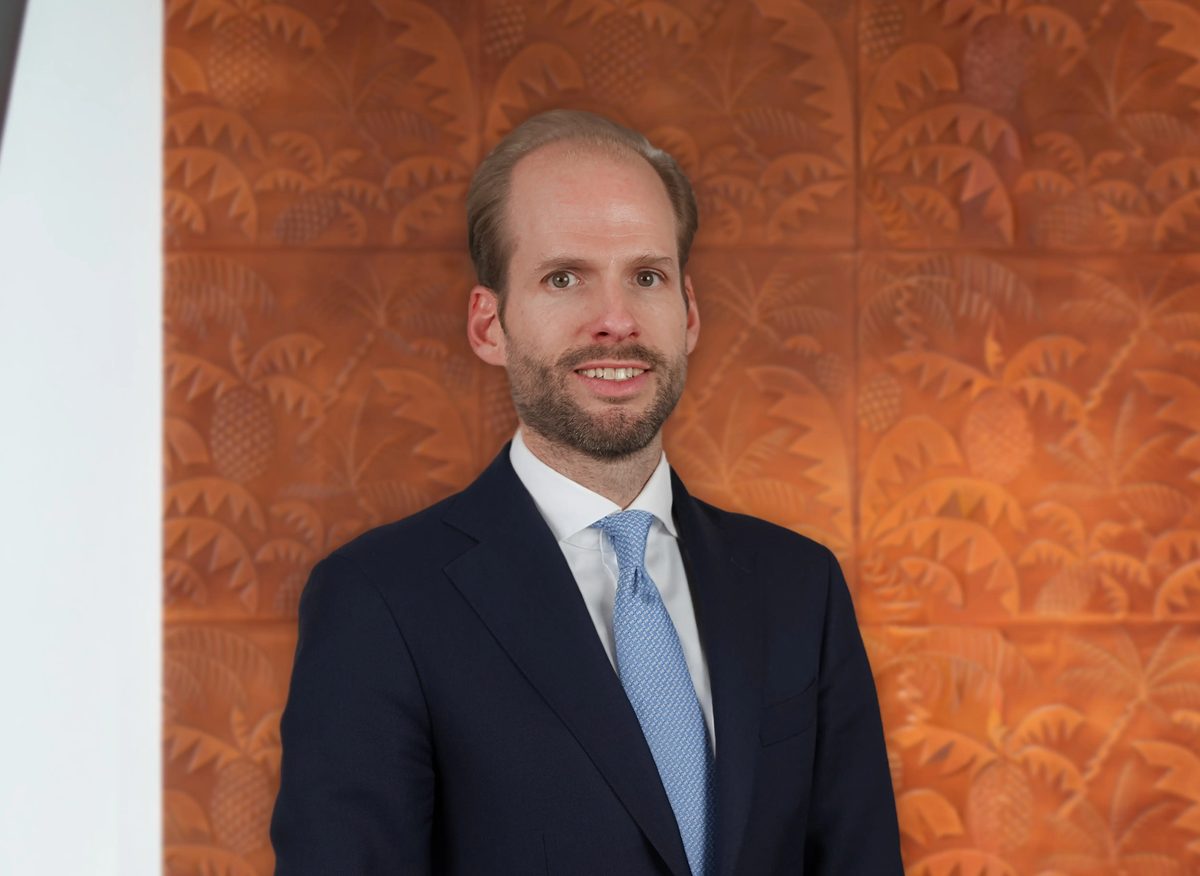
Union Investment Real Estate Expands Gerald Kremer's Role in Hamburg Platform Restructuring

Union Investment Real Estate GmbH has restructured its Hamburg-based real estate platform, consolidating four management areas into three and significantly expanding the remit of COO Gerald Kremer, the firm announced August 31, 2026. The reorganisation creates new divisions of Fund Management, Real Estate Management, and Operations, and coincides with the departure of Management Board member Henrike Waldburg.
Gerald Kremer Takes on Expanded Operations Role
As COO within the management team, Gerald Kremer assumes a broader scope under the newly defined Operations division. In addition to his existing responsibility for operational infrastructure and processes, Kremer will drive the ongoing expansion of artificial intelligence and digitalisation across the platform. His expanded duties include technological transformation of the real estate platform, product development, data management, controlling, property research, real estate law, tax management and participation management.
The elevation of AI and digitalisation to a board-level priority reflects a broader industry shift in which technology-driven efficiencies are increasingly central to managing large, diversified real estate portfolios.
New Real Estate Management Division Integrates Investment and Asset Functions
The most structurally significant change is the creation of the Real Estate Management division, headed by Karim Esch, which integrates investment and asset management into a single chain of command. The new department will be responsible for the entire real estate value chain — from acquisition through asset management and letting to sustainability strategy, the commercial and technical development of portfolio properties and disposals — for both existing and new funds, as well as third-party portfolio management mandates.
Chairman of the Management Board Michael Bütter retains oversight of Fund Management, covering real estate strategy, fund management including fund controlling and funding management, and marketing and communication.
The firm has stated that the reorganisation is aligned with an updated investment strategy geared to a new market cycle, with Bütter noting that high rental income yields will become more important for total returns than valuation premiums, and that the integrated structure is intended to position the firm for the reopening of real estate markets. The changes reflect a strategic emphasis on income-driven returns and active management over reliance on capital appreciation — a posture consistent with conditions across European office markets, where investment volumes have fallen sharply and vacancy has risen since the pre-pandemic period.
Henrike Waldburg Departs Management Board
Henrike Waldburg has chosen not to extend her contract and steps down from the Management Board effective August 31, 2026. Since 2023, she oversaw asset management of a portfolio valued at more than €40 billion across 22 national markets, with responsibilities spanning leasing and tenancy management, project development and the sustainability strategy underpinning the property portfolio. She also served as deputy CIO.
The firm credited Waldburg with being instrumental in shaping the company during her tenure and said she demonstrated significant commitment to developing the real estate platform.
Strategic Context: European Office Markets and Portfolio Diversification
The restructuring comes as European office markets navigate a prolonged adjustment. Office investment volumes across Europe have declined substantially, with offices' share of total commercial real estate investment falling from roughly 40% in 2019 to approximately 22% in 2024 — the lowest office deal count since 2009. European office vacancy climbed to around 9% by late 2025, up from approximately 5.7% before the pandemic, with central business district vacancy running near 5.4–5.6% compared to roughly 10.6–10.9% in non-CBD markets.
In Germany's major office markets, vacancy reached approximately 8.5% at mid-2026, up from 7.7% a year earlier. Hamburg, where Union Investment Real Estate is headquartered, has maintained a tighter vacancy profile than other German cities — posting vacancy of around 5.8% as of early 2025, compared to 10.8% in Frankfurt — though prime rents have risen to approximately €38 per square meter, with select transactions recorded above €40 per square meter.
Against that backdrop, Union Investment Real Estate also announced plans to gradually expand the investment universe of its existing and potential new funds to include property-related social infrastructure, with a continued focus on core European markets. The firm said the move is intended to further boost portfolio diversification as it adapts to the current market cycle.
Sources
Union Investment Real Estate — Press Release, August 31, 2026
More Corporate Updates
Gordon Brothers Acquires Keen Real Estate Services Business From Keen-Summit Capital Partners
EQT AB to Acquire Real Estate Manager Stockbridge for $375 Million
DWS to Acquire Peakside Capital Advisors, Adding Value-Add Real Estate Platform in Germany and CEE