Christian Cultural Center Campus Opens 385 Affordable Homes in East New York as Next 453 Top Out
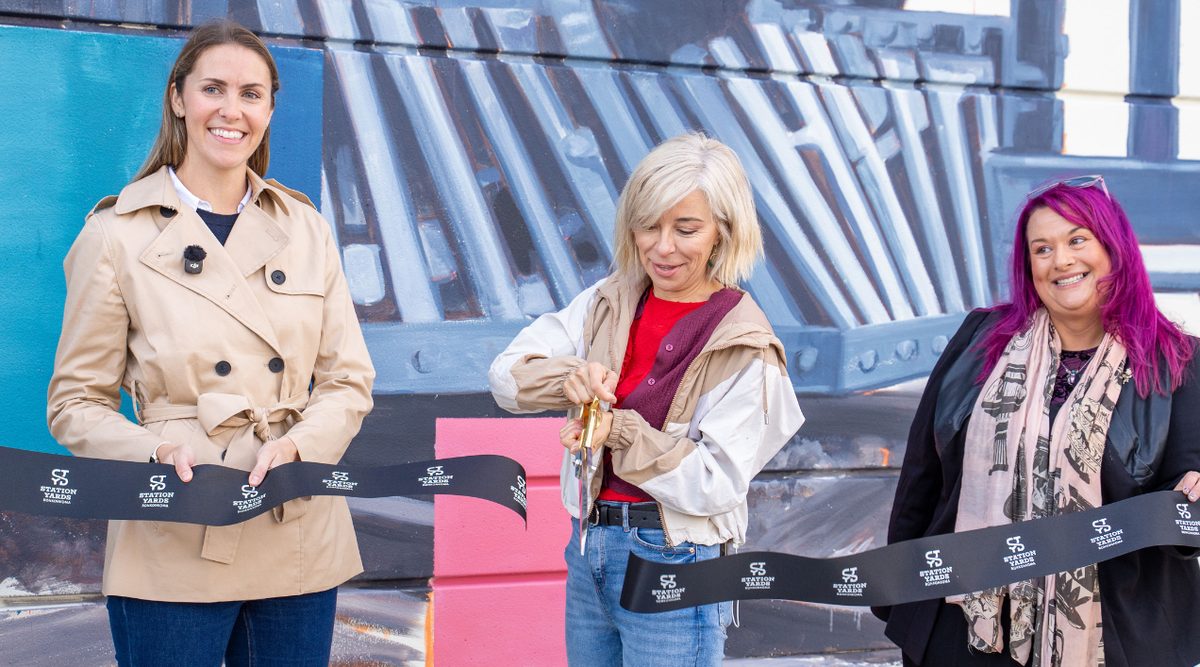
Gov. Kathy Hochul, New York City Mayor Zohran Kwame Mamdani, Gotham Organization, the Christian Cultural Center (CCC) and Monadnock Development celebrated two milestones at Innovative Urban Village, an affordable housing development on CCC's campus in East New York, Brooklyn. The partners cut the ribbon on the project's first phase, which delivers 385 permanently affordable homes, and marked the topping out of the next phase, which will add 453 affordable homes and a child care facility, according to New York State Homes and Community Renewal (HCR).
Together, the first two phases will bring 838 affordable homes to East New York. When complete, the development is planned to include nearly 2,000 permanently affordable homes across 10 buildings.
Innovative Urban Village Phase 1A: 385 Affordable Homes and $270 Million Cost
Phase 1A, with an approximate total cost of $270 million, delivers 385 permanently affordable apartments for households earning between 30 and 80 percent of Area Median Income. Of those, 94 apartments are reserved for households eligible for on-site support services, including those struggling with homelessness and survivors of domestic violence. The implied average development cost is approximately $701,000 per apartment before allocating costs to the retail and commercial components.
The phase also includes approximately 17,000 square feet of community-centric retail and commercial space focused on fresh and prepared foods, health care and pharmacy offerings, and dining options.
Designed by Practice for Architecture and Urbanism (PAU) and SLCE Architects, Phase 1A incorporates all-electric heating and cooling, solar panels, green roofs with drought-resistant vegetation, electric-vehicle charging stations, low-flow fixtures, LED lighting and ENERGY STAR appliances.
Phase 1B Tops Out With 453 Homes and Child Care
Phase 1B will add 453 affordable homes, including one superintendent's unit. It also includes 12,600 square feet of community facility space intended for child care, 10,250 square feet of essential community retail and commercial space, and a playground.
Phase 1B is being developed with support from JPMorgan Chase, the New York City Housing Development Corporation, Red Stone Equity Partners and the New York City Department of Housing Preservation and Development (HPD).
Financing: Tax Credits, State Subsidy and Institutional Capital
Phase 1A was financed with public and private sources. Federal Low-Income Housing Tax Credits from HCR are expected to generate more than $115 million in equity, and HCR is providing more than $47 million in subsidy. Together, those two sources represent at least $162 million, roughly 60 percent of the Phase 1A development budget, before accounting for other financing and equity sources.
Additional support comes from Goldman Sachs Alternatives' Urban Investment Group and HPD, along with other public and private partners. Operating funding for the supportive apartments is provided by the Empire State Supportive Housing Initiative, administered by the New York State Office of Temporary and Disability Assistance.
Goldman Sachs Chairman and CEO David Solomon said, "Addressing housing affordability requires investment not only in homes, but also in the broader resources that help communities thrive. Innovative Urban Village is a powerful example of how a shared commitment to opportunity can contribute to the long-term growth of East New York. Goldman Sachs is proud to support this transformative development and celebrate this important milestone alongside our partners."
Project Background and Site Plan
The development sits on CCC's approximately 10.5-acre campus at 12020 Flatlands Ave., near the corner of Flatlands and Pennsylvania avenues. The existing CCC facility is a roughly 93,000-gross-square-foot, two-story building constructed in 1997 and surrounded by surface parking. The first completed building has also been reported under the address 30 Inspiration Lane.
CCC selected Gotham Organization as its development partner in 2018 following a competitive request for proposals. The partners spent five years working with residents, community organizations and city leaders, and the project received full land-use approvals in 2022.
At full buildout, the plan calls for child care services, community programming, workforce development, a performing arts center, neighborhood retail and approximately three acres of publicly accessible open space. The development also will include new streets and pedestrian routes connecting it to the surrounding community.
Officials and Partners on the Milestones
HCR Commissioner RuthAnne Visnauskas said, "Innovative Urban Village is a powerful reminder of what we can achieve together. Today we're not just opening doors to 385 new affordable homes — we're celebrating a community-driven vision becoming reality. With hundreds more homes on the way with resources that people need, this project is delivering affordability, opportunity, and a brighter future for East New York."
Hochul said the project "has potential to transform lives by not only providing housing to hardworking New Yorkers, but also ensuring access to essential services and amenities including on-site child care, accessible grocery and retail stores, exciting programming, and career support right in the community."
Mamdani said, "Today, 385 homes are opening their doors in East New York, and construction is moving forward on hundreds more. Innovative Urban Village shows what we can accomplish when we build housing alongside the resources families need to thrive."
Gotham Organization President Bryan Kelly said Phase 1A "demonstrates what is possible when housing, community amenities and programming, and neighborhood resources are planned together," adding that with Phase 1B topped out, the partners are celebrating "the momentum behind the next 453 homes and child care facilities."
CCC Founder and Senior Pastor Reverend A.R. Bernard said the project "grew from a belief that housing should be connected to the full range of resources people and families need to thrive."
Other officials quoted in the announcement included Sens. Charles Schumer and Kirsten Gillibrand, House Democratic Leader Hakeem Jeffries, State Sen. Roxanne J. Persaud, Assemblymember Nikki Lucas, Brooklyn Borough President Antonio Reynoso and City Councilmember Chris Banks. Schumer said the federal Low-Income Housing Tax Credit will help generate $115 million to build the 385 homes.
Market Context: Affordable Production in East New York
The project is part of Hochul's $25 billion, five-year Housing Plan, which targets the creation or preservation of 100,000 affordable homes statewide. HCR said it has created or preserved more than 12,000 affordable homes in Brooklyn under Hochul. According to the state, more than 87,000 affordable homes have been created or preserved under the plan to date.
East New York has seen substantial residential construction following neighborhood rezoning, with nearly 5,966 units completed or under construction, approximately 3,700 of them (more than 60 percent) permanently affordable. Innovative Urban Village also reflects a broader trend toward mixed-use affordable projects that pair housing with neighborhood retail, child care and supportive services, and that rely on tax credits, subsidy and institutional capital because regulated rents do not support market-rate construction costs.
Sources
New York State Homes and Community Renewal: Governor Hochul and Mayor Mamdani Celebrate Major Affordable Housing Milestones in East New York
More Development
United American Land Plans 440,000-Square-Foot BKX Entertainment Hub at Former Macy's in Downtown Brooklyn
High Street Residential Breaks Ground on 435-Unit Mixed-Income Community at 5550 LBJ in North Dallas
Prism Capital Partners Marks 10 Years at ON3, a 116-Acre Mixed-Use Campus in Clifton and Nutley